
About Me
Wednesday, February 25, 2009


Tuesday, February 24, 2009
WELCOME TO HOSPITALITY AND MILA VOCATION and AVOCATION
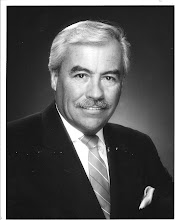
I’ve been in the hospitality business as long as I can remember. Upon graduation from college, I plunged into the hospitality industry wholeheartedly. Embracing the world of big city hotels, and major chains, I began a peripatetic adventure in relocation when advancements to ever larger properties, and/or hospitality management positions, presented themselves.
While the business was exciting and extremely rewarding in many ways, it became apparent early on, that the swiftest to succeed and to continue to endure, were those managers that were able to keep up with the rigorous demands placed on an executive in an industry that was the true embodiment of “twenty-four seven” before that phrase became part of the language. From the moment a hotel is built until it is either closed, demolished, or rebuilt for another use, it is OPEN, always, and never, ever, stops operating.
Thus, to keep pace; health, wellness and fitness became an obvious requirement to succeed in this all-hours business. Well past the conventions, meetings, weddings and guest relations demands on the local manager, later corporate responsibilities and travel made similar claims. An early recognition of a workout regimen, along with diet, and anything else that contributed to a healthy lifestyle became an avocation, both to enable me to perform my present job in the most satisfactory way, and to protect productivity in later years as well as to enjoy those retirement years as an active, healthy individual.
In researching supplements to bolster health, my wife, Kathleen, and I decided early on that large doses of vitamins were not for us, since there seemed sufficient doubt about efficacy, and in fact some concern about harm in overdose. Herbal supplements were tried, but a low-fat diet, with enough protein, vegetables and fruits together with regular exercise seemed the best for us. That is, until we recently discovered Mila, the miracle seed
An ancient plant nourished and harvested by the long extinct Aztec civilization, who inhabited the American Southwest and Mexico, known as Chia,( yes the same name used in the ubiquitous Chia Pet), is the seed we speak of. This whole raw food was recently introduced to the nutrition market just in the last few months. Learn how this ancient food, rediscovered, and reformulated into a proprietary mix after more than 500 years of relative obscurity, provides an overwhelming abundance of nutrients that the Aztecs called the “food of the gods”, and is now known as Mila, the miracle seed. Click on the following link http://kathleen.lifemax.net/ to learn how easily you can discover, enjoy, and perhaps, join us in your own journey to health, wellness and fitness for life.
As for the hotel industry, it has provided me and my fellow hoteliers with many benefits, both in monetary results and life-fulfilling experiences. I would recommend to both young men and women seeking a rewarding career, to look into the various universities that offer a B.S. in Hotel Administration, beginning with Cornell, University of New Hampshire, and Penn State, to name a few on the East Coast. In the West, UNLV in Las Vegas also offers an excellent bachelor’s degree course. For more info, read some of the archived hotel comments on this blog and then go to: http://www.him-llc.com/
While the business was exciting and extremely rewarding in many ways, it became apparent early on, that the swiftest to succeed and to continue to endure, were those managers that were able to keep up with the rigorous demands placed on an executive in an industry that was the true embodiment of “twenty-four seven” before that phrase became part of the language. From the moment a hotel is built until it is either closed, demolished, or rebuilt for another use, it is OPEN, always, and never, ever, stops operating.
Thus, to keep pace; health, wellness and fitness became an obvious requirement to succeed in this all-hours business. Well past the conventions, meetings, weddings and guest relations demands on the local manager, later corporate responsibilities and travel made similar claims. An early recognition of a workout regimen, along with diet, and anything else that contributed to a healthy lifestyle became an avocation, both to enable me to perform my present job in the most satisfactory way, and to protect productivity in later years as well as to enjoy those retirement years as an active, healthy individual.
In researching supplements to bolster health, my wife, Kathleen, and I decided early on that large doses of vitamins were not for us, since there seemed sufficient doubt about efficacy, and in fact some concern about harm in overdose. Herbal supplements were tried, but a low-fat diet, with enough protein, vegetables and fruits together with regular exercise seemed the best for us. That is, until we recently discovered Mila, the miracle seed
An ancient plant nourished and harvested by the long extinct Aztec civilization, who inhabited the American Southwest and Mexico, known as Chia,( yes the same name used in the ubiquitous Chia Pet), is the seed we speak of. This whole raw food was recently introduced to the nutrition market just in the last few months. Learn how this ancient food, rediscovered, and reformulated into a proprietary mix after more than 500 years of relative obscurity, provides an overwhelming abundance of nutrients that the Aztecs called the “food of the gods”, and is now known as Mila, the miracle seed. Click on the following link http://kathleen.lifemax.net/ to learn how easily you can discover, enjoy, and perhaps, join us in your own journey to health, wellness and fitness for life.
As for the hotel industry, it has provided me and my fellow hoteliers with many benefits, both in monetary results and life-fulfilling experiences. I would recommend to both young men and women seeking a rewarding career, to look into the various universities that offer a B.S. in Hotel Administration, beginning with Cornell, University of New Hampshire, and Penn State, to name a few on the East Coast. In the West, UNLV in Las Vegas also offers an excellent bachelor’s degree course. For more info, read some of the archived hotel comments on this blog and then go to: http://www.him-llc.com/
Tuesday, February 3, 2009
HOTEL FRANCHISING FOR THE FIRST TIMER
As in any new business endeavor, there is both good and bad news. If the good nets out substantially on the plus side, then it bears looking into. This is a brief introduction to a potentially high- investment-return business; ownership of a hotel. A successful hotel operation can bring huge returns on a three-fold basis. This is the good news:
(a) profits from operating a business that does not require high cost of sales (amortization cost of the room plus maid service, heat/ac, light and power),
(b) a rapid appreciation of the real estate value, based on those profits, and
(c) a high FF&E depreciation rate sheltering taxes on both capital gains and operating profits.
But in the 21st century, the road to successful hotel ownership must be paved with a national franchise affiliation.
Securing a franchise from a reputable, successful, franchisor is absolutely critical for:
1. Securing financing for both interim construction and permanent mortgage.
2. Securing a chain affiliation with a recognizable brand image, signifying product quality, service, and safety.
3. Reservations generated through a central reservation system.
4. National, regional and local marketing through the franchise system.
So, how does the first- timer start a hotel franchise ? First, the bad news, because of the significant up-front costs of land acquisition, development, and time of construction, liquid assets are a necessity. For even a modest size property with an economy rating, one would require perhaps $500,000-$1,000,000 in liquidity, but for those that have a well prepared business plan with an identified location, and reasonable business acumen, there are any number of investors willing to share the equity burden, and in many instances, the franchisor has a list of passive investors who would consider partnering with the right entrepreneur.
As a guide, then, the steps to a franchise should follow in this order:
1. Research the need for a hotel facility in the area selected. Use the resources of the local government and the tourist, recreational, educational, and or business organizations that can help on the need, the feasibility, type of property, the business generators and the competition. All of this information should be provided at no cost to you other than the time necessary to solicit and compile the information.
2. Find a specific location that would support a hotel property of the type that would be in keeping with the surroundings, and the research.
3. Determine if the location will allow the use, density, height, and soil conditions to support development of the
hotel being considered.
4. Google hotel franchisors and view the extensive information on economy, mid-rate and first class hotel franchisors. See HVS.com (Hospitality Valuation Services) for their 2007 comprehensive survey on hotel franchisor rates, services, and rankings.
5. Not required, but helpful if a rough architectural sketch could be made showing layout of hotel on property.
6. Using your research of competitive hotel properties, make or have made, a preliminary five year pro forma of your expected operating, revenue, costs, and income. Development and construction costs need not be formed at this time because the franchisor can and will assist in that phase.
7. Only then, consider approaching the franchisor with your proposal for discussion. In most cases, select a well-known franchisor with a long record of success. Even with higher costs, the reputable quality franchisor will cost less in the long run.
Warning: When discussing franchise requirements, ask specific questions in the following areas:
a,. Length of affiliation. For your protection, should not be less than 10 years, nor more than 20. Whether 10, 20 or in-between, insist on intervals of windows of exit, i.e, a three year 60 day window to review franchise effectiveness, and if unsatisfied should be able to terminate without penalty. Most franchisors still insist on liquidated damages for termination. That's why you need exit strategy.
b, Be specific about territory of franchise and competition, current and future. You should have at least a five year assurance of your exclusiveness.
c. Transfer of Franchise. You should be allowed to transfer when you wish to sell. If not, requiring a purchaser to ante up for refranchising or requiring change of franchise may prevent sale.
Good luck. There are few investments more satisfying than creating a successful and profitable hotel.
(Reference: www.hvs.com/Bookstore/HVS 2007U.S.HotelFranchiseFeeGuide.pdf)
Author: Edward F. MacMillan www.him-llc.com efm@him-l lc.com
(a) profits from operating a business that does not require high cost of sales (amortization cost of the room plus maid service, heat/ac, light and power),
(b) a rapid appreciation of the real estate value, based on those profits, and
(c) a high FF&E depreciation rate sheltering taxes on both capital gains and operating profits.
But in the 21st century, the road to successful hotel ownership must be paved with a national franchise affiliation.
Securing a franchise from a reputable, successful, franchisor is absolutely critical for:
1. Securing financing for both interim construction and permanent mortgage.
2. Securing a chain affiliation with a recognizable brand image, signifying product quality, service, and safety.
3. Reservations generated through a central reservation system.
4. National, regional and local marketing through the franchise system.
So, how does the first- timer start a hotel franchise ? First, the bad news, because of the significant up-front costs of land acquisition, development, and time of construction, liquid assets are a necessity. For even a modest size property with an economy rating, one would require perhaps $500,000-$1,000,000 in liquidity, but for those that have a well prepared business plan with an identified location, and reasonable business acumen, there are any number of investors willing to share the equity burden, and in many instances, the franchisor has a list of passive investors who would consider partnering with the right entrepreneur.
As a guide, then, the steps to a franchise should follow in this order:
1. Research the need for a hotel facility in the area selected. Use the resources of the local government and the tourist, recreational, educational, and or business organizations that can help on the need, the feasibility, type of property, the business generators and the competition. All of this information should be provided at no cost to you other than the time necessary to solicit and compile the information.
2. Find a specific location that would support a hotel property of the type that would be in keeping with the surroundings, and the research.
3. Determine if the location will allow the use, density, height, and soil conditions to support development of the
hotel being considered.
4. Google hotel franchisors and view the extensive information on economy, mid-rate and first class hotel franchisors. See HVS.com (Hospitality Valuation Services) for their 2007 comprehensive survey on hotel franchisor rates, services, and rankings.
5. Not required, but helpful if a rough architectural sketch could be made showing layout of hotel on property.
6. Using your research of competitive hotel properties, make or have made, a preliminary five year pro forma of your expected operating, revenue, costs, and income. Development and construction costs need not be formed at this time because the franchisor can and will assist in that phase.
7. Only then, consider approaching the franchisor with your proposal for discussion. In most cases, select a well-known franchisor with a long record of success. Even with higher costs, the reputable quality franchisor will cost less in the long run.
Warning: When discussing franchise requirements, ask specific questions in the following areas:
a,. Length of affiliation. For your protection, should not be less than 10 years, nor more than 20. Whether 10, 20 or in-between, insist on intervals of windows of exit, i.e, a three year 60 day window to review franchise effectiveness, and if unsatisfied should be able to terminate without penalty. Most franchisors still insist on liquidated damages for termination. That's why you need exit strategy.
b, Be specific about territory of franchise and competition, current and future. You should have at least a five year assurance of your exclusiveness.
c. Transfer of Franchise. You should be allowed to transfer when you wish to sell. If not, requiring a purchaser to ante up for refranchising or requiring change of franchise may prevent sale.
Good luck. There are few investments more satisfying than creating a successful and profitable hotel.
(Reference: www.hvs.com/Bookstore/HVS 2007U.S.HotelFranchiseFeeGuide.pdf)
Author: Edward F. MacMillan www.him-llc.com efm@him-l lc.com
FRANCHISE HOTEL MANAGEMENT ENSURING A HIGH RETURN
The late Tip O'Neill, a wise old politician and Speaker of the House, on his profession, opined that "all politics is local". So it is with Hotel Management. The top ranked brand-identity chain image, their franchise quality control programs, their franchise support department, even the vaunted high-tech central reservation system, while all necessary, are not as effective in insuring the commercial success of the hotel property as much as dedicated local management.
If you are considering an investment for a franchised hotel, you are aware that both the risks and rewards are significant. With that awareness, as many investors in your position have done, you may be tempted to turn over your hotel franchise management to your franchisor, especially if that company successfully operates their own properties, for example, companies like Marriott, Hilton, Sheraton, or Holiday Inns. Sounds prudent, because they have the know-how and experience to draw on, that you don't, and being astute, you know management is most important. But that may be a major mistake. Here's why:
1. If you are an independent franchisee, chances are your hotel is not large by chain standards; while approximately 75% of all properties are franchised, most are under 200 rooms.
2. The franchisor/operator will provide you with a management contract making them the Management Operator over a specified period of years, perhaps as little as 5, and as many as 20. In that contract, the Management Operator will receive either a management fee at a fixed rate, or a variable rate, based on a percentage of the total sales. Often in addition to that fixed or variable fee,. a supplemental fee against a percentage of the operating profit, i.e. before fixed expenses called an "incentive fee" may be required. The management fee, of course. will include the manager's salary that they provide, but the actual fee will be many time his salary. Other fees may be added, such as various charges for reservations, marketing, and other services as a part of the regional and national network of operated hotels. But that's not the major concern; this is: the manager selected for your 125 room property will be at the lower end of the experience scale so that his salary will be commensurate with the size of the property!
So now, you may have a problem. You're going to have a real nice hotel in a superb location with excellent amenities and a great brand. However, you need good local management, but you are not sure you’re qualified to select and supervise one, nor even be able to tell if he is doing a good job. On the other hand, you're not comfortable with turning over your operation to a young person whose supervision you are not sure of. Besides, you don't have that control over your operation in a franchisor Management Contract, and while there are incentive fees provided the operator for a more profitable operation, there is no real downside for a franchisor operator if the hotel is less profitable than expected. After all, they will still get their fixed fee, even if you have trouble making your mortgage. There has got to be a third way. There is:
1. Look into the great number of smaller hotel management companies that do only that. They don't own and they don't franchise and they don't have that tremendous overhead that large chains need to spread among their operations and franchisees. What they do have is years of hotel operating experience, managing hotels in many instances of 500 to 1000 rooms as well as all the smaller ones along the way. They also may put in a younger less experienced local manager, but they will monitor him, teach, and guide him as much as required because that is their livelihood. They want to keep their clients and gain new ones from recommendations.
2. Finally, the independent management companies will be most receptive in terms of flexibility in negotiating the management contract with shorter terms, owner/management meetings and options, and even in difficult economic circumstances, set aside a portion of the fixed fee to the extent of the mortgage shortfall, and of course all of the services provided by the franchise are still available to the operator through the owner.
Focused, supervised local management, a motivated staff, and a management company committed to the owner's success will result in satisfied guests and a high rate of return, both in guests and investment.
"There is nothing which has yet to be contrived by man by which so much happiness is produced than a good tavern or an Inn" - Famous quote by Samuel Johnson. - and good hotel franchise management to insure its delivery-the author.
Author-Edward F. MacMillan www.him-llc.com efm@him-llc.com
If you are considering an investment for a franchised hotel, you are aware that both the risks and rewards are significant. With that awareness, as many investors in your position have done, you may be tempted to turn over your hotel franchise management to your franchisor, especially if that company successfully operates their own properties, for example, companies like Marriott, Hilton, Sheraton, or Holiday Inns. Sounds prudent, because they have the know-how and experience to draw on, that you don't, and being astute, you know management is most important. But that may be a major mistake. Here's why:
1. If you are an independent franchisee, chances are your hotel is not large by chain standards; while approximately 75% of all properties are franchised, most are under 200 rooms.
2. The franchisor/operator will provide you with a management contract making them the Management Operator over a specified period of years, perhaps as little as 5, and as many as 20. In that contract, the Management Operator will receive either a management fee at a fixed rate, or a variable rate, based on a percentage of the total sales. Often in addition to that fixed or variable fee,. a supplemental fee against a percentage of the operating profit, i.e. before fixed expenses called an "incentive fee" may be required. The management fee, of course. will include the manager's salary that they provide, but the actual fee will be many time his salary. Other fees may be added, such as various charges for reservations, marketing, and other services as a part of the regional and national network of operated hotels. But that's not the major concern; this is: the manager selected for your 125 room property will be at the lower end of the experience scale so that his salary will be commensurate with the size of the property!
So now, you may have a problem. You're going to have a real nice hotel in a superb location with excellent amenities and a great brand. However, you need good local management, but you are not sure you’re qualified to select and supervise one, nor even be able to tell if he is doing a good job. On the other hand, you're not comfortable with turning over your operation to a young person whose supervision you are not sure of. Besides, you don't have that control over your operation in a franchisor Management Contract, and while there are incentive fees provided the operator for a more profitable operation, there is no real downside for a franchisor operator if the hotel is less profitable than expected. After all, they will still get their fixed fee, even if you have trouble making your mortgage. There has got to be a third way. There is:
1. Look into the great number of smaller hotel management companies that do only that. They don't own and they don't franchise and they don't have that tremendous overhead that large chains need to spread among their operations and franchisees. What they do have is years of hotel operating experience, managing hotels in many instances of 500 to 1000 rooms as well as all the smaller ones along the way. They also may put in a younger less experienced local manager, but they will monitor him, teach, and guide him as much as required because that is their livelihood. They want to keep their clients and gain new ones from recommendations.
2. Finally, the independent management companies will be most receptive in terms of flexibility in negotiating the management contract with shorter terms, owner/management meetings and options, and even in difficult economic circumstances, set aside a portion of the fixed fee to the extent of the mortgage shortfall, and of course all of the services provided by the franchise are still available to the operator through the owner.
Focused, supervised local management, a motivated staff, and a management company committed to the owner's success will result in satisfied guests and a high rate of return, both in guests and investment.
"There is nothing which has yet to be contrived by man by which so much happiness is produced than a good tavern or an Inn" - Famous quote by Samuel Johnson. - and good hotel franchise management to insure its delivery-the author.
Author-Edward F. MacMillan www.him-llc.com efm@him-llc.com
Subscribe to:
Posts (Atom)